Lactate test cost comparison: lab vs. home testing
Compare lactate test costs across lab sessions, mobile diagnostics, and home self-tests. See what you're actually paying for and how to evaluate formats.
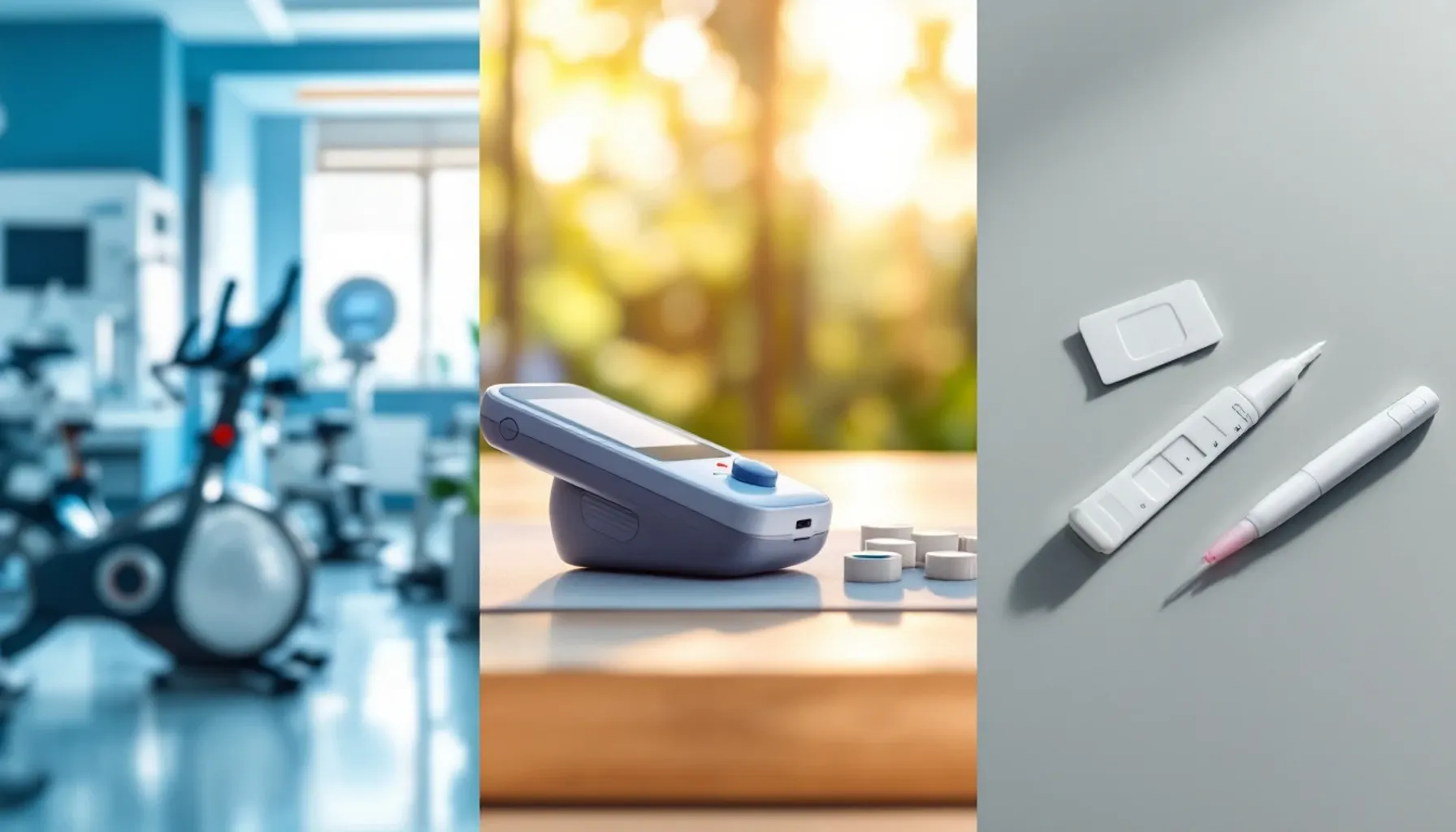
Lactate Test Cost Comparison: Lab, Mobile Diagnostics, and Home Self-Tests Explained
Short answer: A lactate test cost comparison examines what each testing format — professional lab session, mobile sports diagnostics, or home self-test — actually costs across equipment, consumables, analysis, and time. A lab session is a single fee with no equipment to own; a home setup carries a higher upfront cost but a lower cost per test as testing frequency increases. The right format depends on how often you test, what data you need, and who will interpret your results.
Key entities in this article:
- LT1 / LT2 — the first and second lactate thresholds, marking the aerobic and anaerobic transition points in a step test
- Step test — an incremental exercise protocol used to collect blood lactate values at increasing intensities
- Lactate meter — a portable blood lactate analyzer used in labs and for home testing
- Test strips — single-use consumables required by every lactate meter, purchased separately for home testing
- VLamax — maximal lactate production rate, a metric used in advanced metabolic profiling
- Lactate curve — the plotted relationship between exercise intensity and blood lactate concentration, from which LT1 and LT2 are identified
What You Are Actually Paying For: The Three Lactate Test Formats
Most cost comparisons stop at the headline price. That misses the real structure. Each format bundles different things into its cost, so comparing a lab session fee to a meter purchase price is like comparing a restaurant meal to a grocery bill — the unit of comparison is wrong.
Professional Lab or Sports Science Session
A lab lactate test is a full-service appointment. You show up, perform a step test on a treadmill, bike ergometer, or rowing machine, and a technician takes blood samples at each stage. The lab owns the analyzer, the strips, and the calibration equipment. The session fee typically covers the test itself and, depending on the provider, a written report or brief consultation.
What a lab fee does not always include: a detailed lactate curve analysis or training zone calculation. Verify this explicitly before booking — some providers charge separately for interpretation.
Mobile Diagnostics: The Lab Comes to You
Mobile sports diagnostics bring the equipment to your training environment — a track, pool, or home trainer. The provider still owns the lactate meter and handles blood sampling. The cost structure typically adds a travel or mobilization fee on top of the session fee. The practical advantage is testing in conditions that match your actual training, which can affect the shape of your lactate curve.
Home Self-Test: Meter, Strips, and Analysis Software
A home lactate self-test means you own a portable blood lactate analyzer, buy test strips as consumables, and handle your own blood sampling via fingertip lancet. The upfront cost exceeds a single lab visit, but the per-test cost falls with each subsequent test. You also need a way to analyze the step-test data — either manually, via spreadsheet, or with a dedicated tool like LactateThreshold.online, which calculates LT1, LT2, VLamax, and training zones from values you enter directly.
Cost Factors to Compare Across All Three Formats
Rather than stating prices that change by provider, region, and time, use these cost inputs as your research checklist when comparing options.
One-Time Equipment Costs
For lab and mobile sessions: none — you pay per appointment.
For home testing: the lactate meter is the main one-time cost. Meter prices vary by brand, accuracy class, and regional availability. Check the current price on the manufacturer or distributor website at the time of purchase. A practical overview of portable lactate analyzers used by athletes is available at upsidestrength.com.
Per-Test Consumable Costs
Every test — lab or home — consumes test strips. In a lab, this cost is bundled into your session fee. At home, you pay for strips separately. Strip prices vary by meter model and purchase quantity; buying in bulk typically reduces the per-strip cost. Confirm strip availability for your specific meter model before purchasing, since some meters use proprietary strips that may be harder to source in certain regions.
A single step test with, say, six stages uses at least six strips plus extras for calibration or sampling errors. Build that into your per-test cost estimate.
Analysis and Interpretation Costs
This is the cost category most often overlooked. Raw lactate values are not a training plan. Someone — or something — needs to fit the lactate curve, identify LT1 and LT2, and translate those thresholds into training zones.
Lab sessions sometimes include a consultation; sometimes they do not. Mobile diagnostics providers often offer interpretation as part of the package, but verify this before booking. For home tests, analysis software is a separate cost or subscription. LactateThreshold.online is designed specifically for this step: enter your step-test values and the tool calculates the curve, thresholds, and zones without requiring a sports science background or a spreadsheet.
Time and Logistics Costs
Time carries a cost even when it has no invoice. A lab session requires travel, scheduling, and a warm-up period. Mobile diagnostics eliminate travel but may require advance booking. Home testing is available on your own schedule but requires you to manage the protocol, blood sampling, and data entry yourself.
How to Choose the Right Format for Your Budget and Goals
Work through these four questions in order.
| Question | What to ask yourself | What the answer reveals |
|---|---|---|
| 1. How often will you test per year? | Once or twice? Monthly? Every training block? | Frequency determines whether owning equipment makes financial sense |
| 2. What data do you actually need? | General threshold estimate? LT1 + LT2? Full VLamax profile? | Data depth determines which format can deliver what you need |
| 3. Who will interpret your results? | Qualified coach or sports scientist available? Self-directed athlete? | Interpretation access affects which format adds value |
| 4. What does the 12-month total look like? | Sum all costs: equipment + strips + analysis + travel + time | Total cost horizon reveals the real comparison, not the first-test price |
Decision paths:
- Infrequent tester (1–2 times per year): A lab or mobile session is likely more practical. You avoid equipment investment and get professional handling. Verify whether analysis and interpretation are included in the session fee.
- Frequent tester (4+ times per year): A home setup with a portable blood lactate analyzer and analysis software can become more cost-effective over time as the upfront equipment cost is spread across multiple tests.
- Somewhere in between: Consider starting with one lab session to establish a baseline and learn the protocol, then evaluate whether home testing makes sense for follow-up tests.
Trade-off summary:
| Format | Data depth | Cost per test (after setup) | Independence |
|---|---|---|---|
| Lab session | High (if analysis included) | Fixed per visit | Low — depends on provider schedule |
| Mobile diagnostics | High | Fixed + travel fee | Medium — flexible location |
| Home self-test | Variable (depends on analysis tool) | Lower after initial investment | High — test on your own schedule |
I test content strategy against real product use cases, not only keyword volume — which is why this framework is built around the decision an athlete actually faces, not a ranking of options.
What to Check Before Booking or Buying
Before Booking a Lab or Mobile Session
- Ask explicitly: is lactate curve analysis and training zone calculation included, or is it an add-on?
- Confirm the step test protocol (stage duration, intensity increments, warm-up procedure) — protocol differences affect how results compare across sessions
- Ask whether you receive raw lactate values in addition to any report, so you can re-analyze later if needed
- For mobile diagnostics, confirm the travel or mobilization fee upfront
Before Buying a Home Lactate Meter
- [ ] Are test strips for this specific meter model currently available in your country?
- [ ] What is the per-strip cost at your expected purchase volume?
- [ ] Does the meter require a calibration check strip per batch, and what does that add per test?
- [ ] Is the meter validated for the lactate concentration range relevant to endurance athletes (roughly 1–15 mmol/L)?
- [ ] What is the manufacturer's stated accuracy specification, and how does it compare to alternatives you are considering?
Check the manufacturer's current product page and independent reviews before purchasing. The upsidestrength.com overview of portable lactate analyzers covers practical considerations for athletes choosing between meter options.
Before Choosing Analysis Software
- Confirm it supports your step test protocol (stage count, rest lactate, ramp vs. fixed-stage)
- Check whether it calculates both LT1 and LT2, or only a single threshold
- If VLamax is relevant to your training, verify the tool supports that calculation
- Understand whether results are exportable or shareable with a coach
LactateThreshold.online is built around exactly this workflow: enter step-test values measured at home and receive LT1, LT2, VLamax, the lactate curve, and training zones without needing a lab or a spreadsheet.
Turning Raw Lactate Values Into Training Zones
Reading the Lactate Curve
The lactate curve plots blood lactate concentration (mmol/L) against exercise intensity (watts, pace, or heart rate). At low intensities, lactate stays close to resting levels. At a certain point it begins to rise — that inflection is LT1. As intensity continues to increase, lactate rises more steeply until it reaches a second inflection — LT2. The shape of this curve tells you more than any single threshold value in isolation.
Calculating LT1 and LT2 from Step-Test Data
LT1 and LT2 are calculated from step-test data using curve-fitting or mathematical methods applied to the raw lactate values at each stage. Different methods — D-max, fixed mmol/L thresholds, log-log transformation — can produce slightly different threshold estimates from the same raw data. Knowing which method your analysis tool uses helps you interpret results consistently across tests and avoid comparing thresholds calculated by different methods.
Using an Online Tool to Analyze Home Test Results
If you collect your own step-test data at home, the analysis step is where most athletes get stuck — either manually fitting curves in a spreadsheet or skipping analysis entirely. LactateThreshold.online is designed to remove that barrier: enter your measured values and the tool handles curve fitting, threshold identification, and training zone output. This makes the home self-test format viable for athletes who want frequent testing without lab access, provided the raw data collection follows a consistent protocol.
FAQ
How much does a lactate test cost? The cost depends on the format. A professional lab or mobile diagnostics session involves a per-appointment fee that varies by provider and region — check current pricing directly with providers in your area. A home self-test setup requires an upfront investment in a lactate meter plus ongoing strip costs per test. Verify current prices from manufacturers and providers before budgeting.
Is lactate testing worth it for amateur athletes? That depends on how you train. If you follow a structured training plan and want to set intensity zones based on your actual physiology rather than generic formulas, lactate testing gives you data that heart rate or pace alone cannot provide. Whether the cost is justified depends on your testing frequency, your access to good analysis, and how consistently you act on the results.
Can I do my own lactate threshold test at home? Yes, with a portable blood lactate analyzer, test strips, a structured step-test protocol, and analysis software. The practical steps — fingertip blood sampling, stage-by-stage intensity increments, and data entry — are manageable for most athletes. Tools like LactateThreshold.online handle curve fitting and threshold calculation once you enter your values.
What is the difference between a one-time lactate test and periodic testing? A single test gives you a snapshot of your current thresholds and training zones. Periodic testing — for example, at the start and end of a training block — lets you track how your LT1, LT2, and lactate curve change in response to training. The value of periodic testing depends on consistent protocols across sessions so that changes in results reflect real physiological adaptation rather than testing variation. (consistent protocols across sessions)